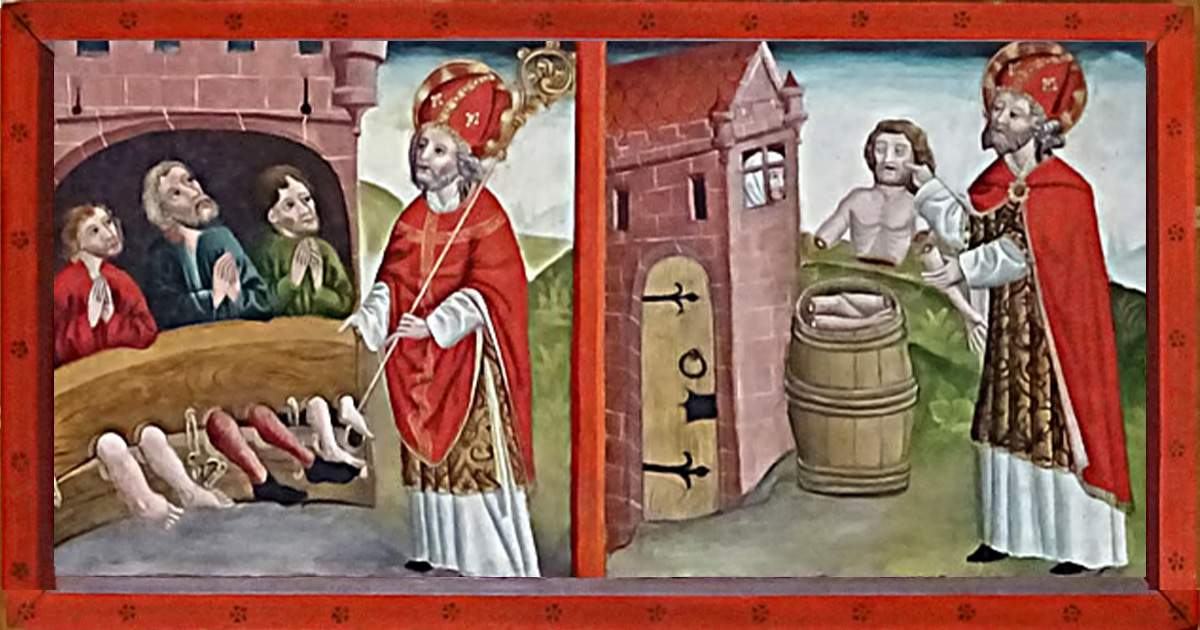
There are many myths surrounding the medieval saint/folk hero known in the Netherlands as ‘Sinterklaas’. Depending on who you ask, he is supposed to be a symbol of Catholicism, a continuation of old pagan traditions, a beacon of hope or even a corruptor of the youth – and sometimes even all at the same time! As different as all these ideas may seem at first, it is undeniable that they all stem from an initial pool of stories about a real person who lived sometime in the third & fourth century. The problem is, of course, that stories have a tendency to live a life of their own once they are told, sometimes with hilarious results, and sometimes with dangerous ones. It is, therefore, important to understand the long history of such ideas, how they are shaped by stories, and vice versa.
Based on a deep dive into the many sources we have about Saint Nicholas (as well as an overview of the sources we do NOT have), this presentation will show how the same life of the same person can become a different story from one generation to the next. Following the trail of stories will take us from present-day Turkey to medieval Iceland. Looking at the origins of the modern traditions of the Sinterklaasfeest will take us on a trip through the miraculous, the wonderful, the surprising – and most of all, the human(s) that have inspired it all.
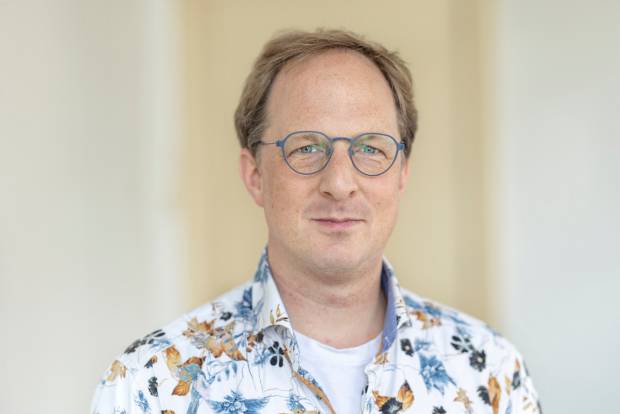
Rutger Kramer is an assistant professor of Medieval History at Utrecht University. His interests are focused mainly on the intersection between political and religious modes of thought. As such he studies monks and kings, saints and sinners: anyone who has a good story to tell. He is currently writing a book on the long history of Saint Nicholas.
2 August 2026
Castlefest Academy
16.45 - 17.45 h
This lecture is in English.